
- 86 13631277884
- [email protected]
Light Revolution: The Epic Journey of Skin Repair with Light
—From Aerospace Medicine to Home Beauty: The Evolution of Technological Enlightenment
In 1967, within a laboratory in Budapest, Hungary, an accidental experiment rewrote modern cosmetic history. Dr. Endre Mester discovered that mice exposed to low-power red light exhibited 25% faster hair growth compared to the control group. This serendipitous finding, like a pebble cast into still waters, ignited a technological ripple effect spanning five decades—from operating room shadowless lamps to household cosmetic masks. LED phototherapy technology is now composing an epic saga of light-driven skin restoration.
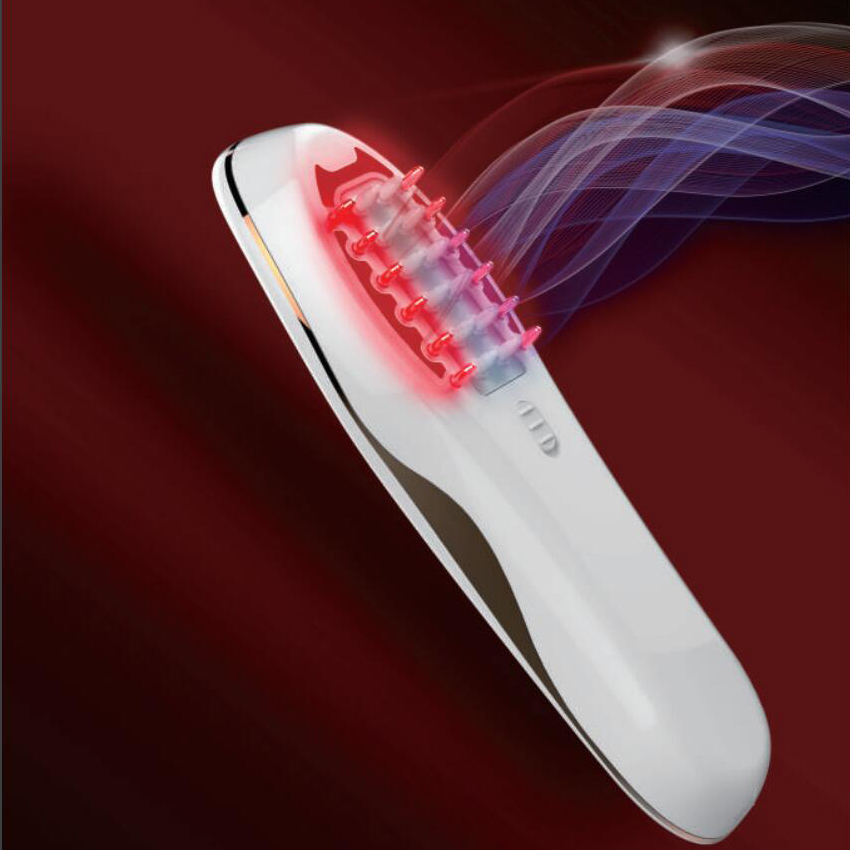
I. Skin Repair Secrets Born from Space Exploration
In 1993, during the Space Shuttle Discovery mission, NASA medical teams observed abnormally slow wound healing in astronauts due to microgravity. Clinical trials using 635nm red light revealed a 40% acceleration in healing rates and tripled ATP production in epidermal cells compared to controls. Published in the Aerospace Medicine Journal (1995), this study became the cornerstone of modern phototherapy.
The magic of photobiomodulation lies in precise wavelength-cellular interactions:
Red Light (630-660nm): Penetrates to the dermis, activating mitochondrial cytochrome C oxidase to boost collagen synthesis by 170% .
Blue Light (415-450nm): Disrupts Cutibacterium acnes porphyrin structures, reducing acne-causing bacteria by 92% .
Near-Infrared Light (830nm): Reaches subcutaneous layers (5mm depth), enhancing fibroblast migration speed by 2.3x .
II. Technological Democratization: From Operating Rooms to Vanity Tables
A 2001 Berlin Charité Hospital study demonstrated 83% inflammation reduction in acne patients using 415nm blue LED therapy versus 57% with traditional drugs. While clinically validated, the true breakthrough emerged in consumer-grade devices.
Engineers tackled three critical challenges:
Energy Density Control: Reducing medical-grade 100mW/cm² intensity to safe 5-10mW/cm²—akin to transforming scalpels into makeup brushes.
Spectral Purity Revolution: Quantum dot encapsulation ensures ±3nm wavelength accuracy for red light, eliminating ineffective energy.
Smart Thermal Management: Semiconductor cooling systems stabilize epidermal temperature at 38±0.5°C, achieving "zero thermal discomfort."
Clinical data from international dermatology conferences revealed that combined 590nm yellow + 630nm red home devices improved skin elasticity by 22% in 12 weeks—matching early effects of medical Thermage treatments with 98% less pain.
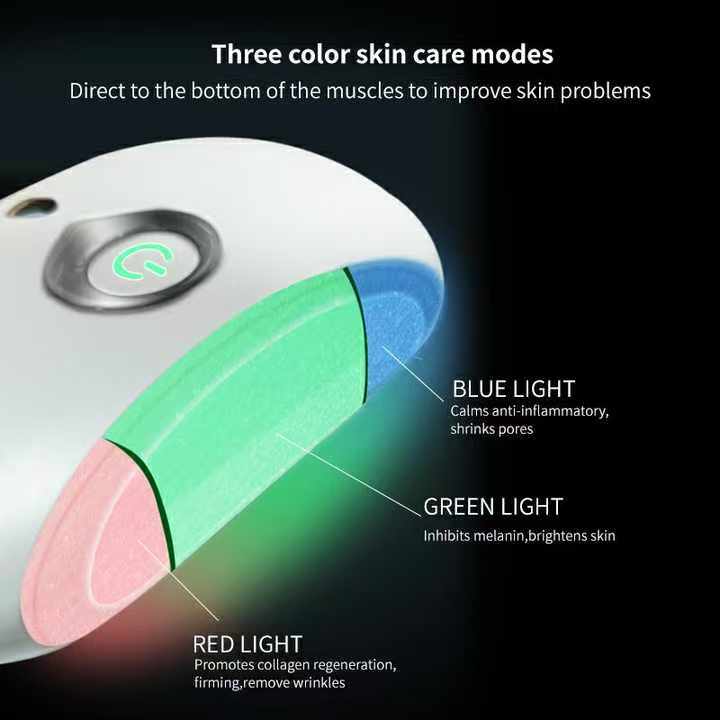
III. China's Solution for Technological Accessibility
During the 2020 COVID-19 outbreak, Wuhan hospitals implemented a modified LED protocol: 60% 590nm yellow + 40% 630nm red pulses. After 28 days, medical staff showed 67% reduction in UV-induced erythema and 31% increase in stratum corneum hydration.
Key innovations included:
Dynamic Spectrum Switching: Real-time adjustments based on skin hydration levels.
Microcapsule Drug Delivery: Encapsulating niacinamide in photosensitive nanoparticles for targeted release.
Military-Grade Shock Resistance: Ensuring stable operation in extreme conditions.
IV. Industry Standards Amidst Market Controversies
In 2023, the German Dermatology Society warned that blue-light devices with >±5nm wavelength deviation tripled epidermal DNA damage risks. This spurred stricter regulations:
Wavelength Precision: ±1nm for medical devices, ±3nm for household units.
Energy Density Limits: 100-200mW/cm² (medical), ≤10mW/cm² (consumer).
Safety Certifications: Mandatory IEC 60601-2-57 compliance.
From NASA’s spacecraft to everyday vanity tables, LED phototherapy has evolved from life-saving tools to beauty essentials in half a century. As consumers switch between blue-light acne treatments and red-light repair modes, these luminous masks have become the "Swiss Army knives" of digital-age skincare. The ultimate goal of technological evolution remains unchanged: to illuminate every mirror with equitable access to cutting-edge science.