- 86 13631277884
- [email protected]
History of Beauty Devices: From Antique Dressing Tables to Intelligent Skin Guardians
The Dawn of Cosmetic Engineering (1850-1920)
In the gaslit salons of 19th-century Paris, aristocratic patrons indulged in copper-plated facial steamers containing rosemary-infused water—a precursor to modern detoxification systems. These hand-cranked devices, weighing up to 8kg, operated on basic thermodynamic principles to open pores and enhance absorption of natural essences.
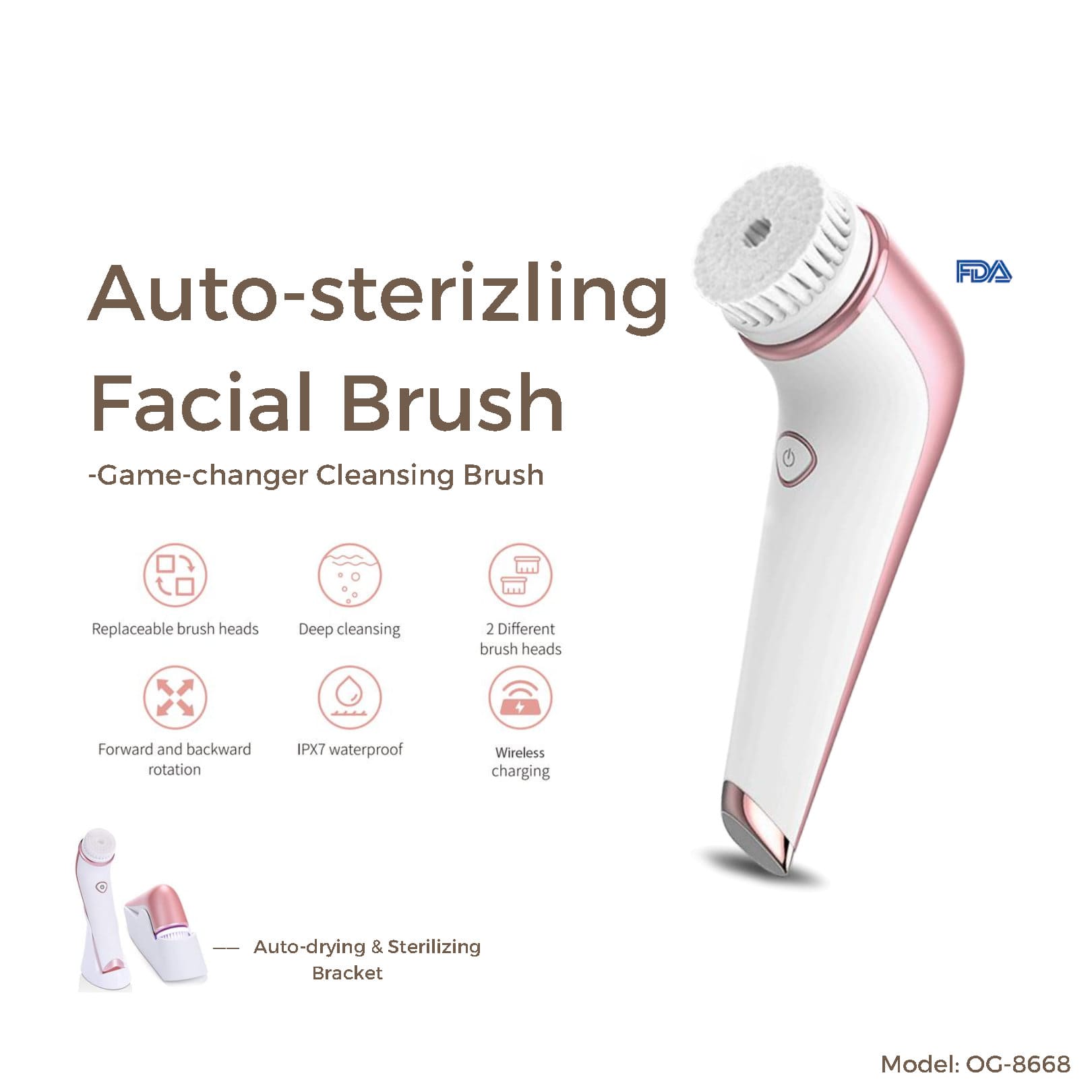
The 1920s marked a watershed moment with the introduction of the first electric cleansing brush by American inventor Dr. Charles E. Beckman. This brass-plated apparatus, powered by a hand-crank generator, featured replaceable boar bristles arranged in a spiral pattern to mimic manual massage techniques.
Technological Milestones (1960-2010)
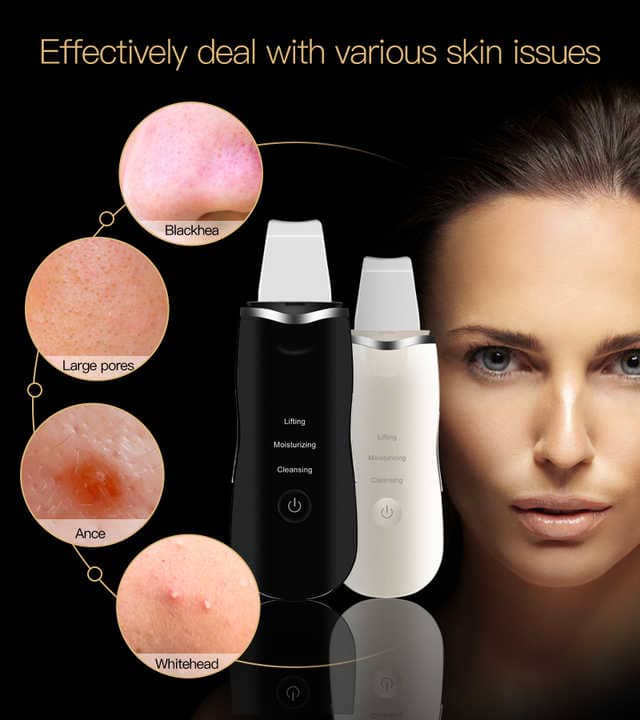
1960s Ultrasonic Foundations
A 3kg metal prototype stored at Tokyo's Ginza Beauty Museum demonstrates early attempts at liquid nutrient delivery systems. These rudimentary devices laid groundwork for today's precision cosmetic apparatuses.
2000s RF Technology Breakthrough
Laboratory experiments in Tel Aviv revealed specific radiofrequency (RF) waveforms (1-100MHz) could stimulate collagen regeneration. Modern devices now operate within FDA-cleared parameters to achieve controlled thermal effects.
Modern Phototherapy Advancements
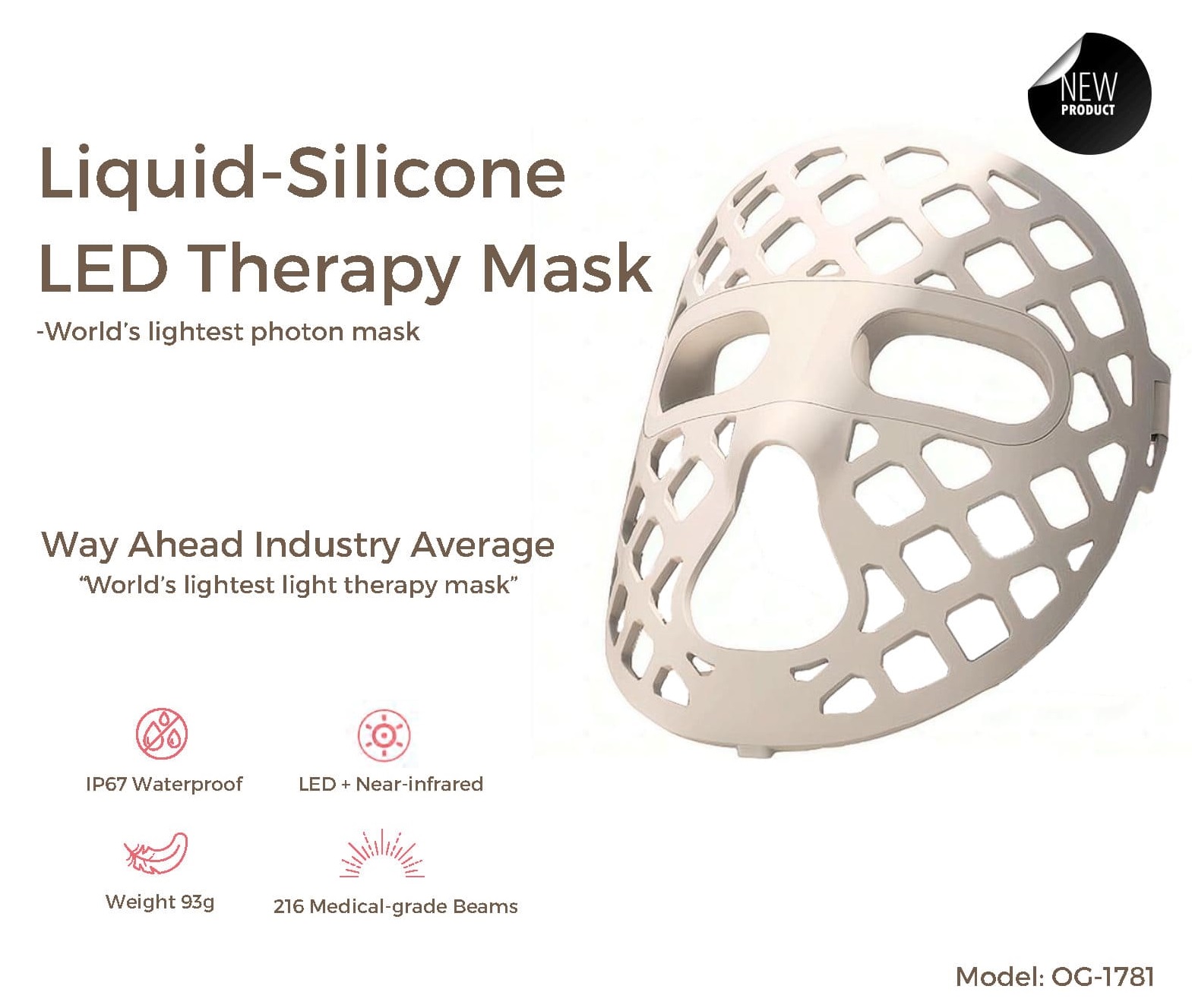
LED Phototherapy Mechanisms
Clinical studies conducted at Boston's Skin Research Institute (2018) confirm 630nm wavelengths enhance cellular energy production by 40%. Different spectral ranges offer varied benefits:
590nm Yellow Light: Soothes minor skin irritation through controlled thermal modulation
850nm Near-Infrared Light: Supports tissue repair processes without thermal damage
Case Study: A 12-week trial with 200 participants demonstrated:
Treatment Group | Skin Elasticity | Redness Reduction |
LED Therapy | +28.6% | -41.2% |
Placebo | +8.3% | -12.7% |
Intelligent Systems & AI Integration
Emerging adaptive platforms utilize machine learning algorithms to analyze skin conditions across 12 parameters (hydration, elasticity, pore size). Market analysts project 37% adoption of smart devices by 2025, with leading manufacturers incorporating:
Skin Mapping Sensors: 256-point capacitive scanning
Adaptive Algorithms: Machine learning models trained on 10,000+ skin profiles
Real-Time Monitoring: Thermal imaging with ±0.5°C accuracy
Future Trends & Consumer Guidance
2025 Technology Roadmap
Quantum Dot LEDs: 40% improvement in energy efficiency
Haptic Feedback Systems: Tactile response calibration ±2mm
3D Skin Scanning: 120μm resolution for pore mapping
Purchasing Considerations
Verify regulatory status via FDA's NMPA database or EU's EUDAMED
Check for CE Marking with appropriate risk class
Review clinical validation reports from recognized bodies like ISO 10993